

Why Anti-Slip Film is Essential for Vertical Concrete Pouring Safety
1. Introduction: The Hidden Risk in Vertical Concrete Formwork Vertical formwork systems face one of the most persistent safety challenges […]

1. Introduction: The Hidden Risk in Vertical Concrete Formwork Vertical formwork systems face one of the most persistent safety challenges […]
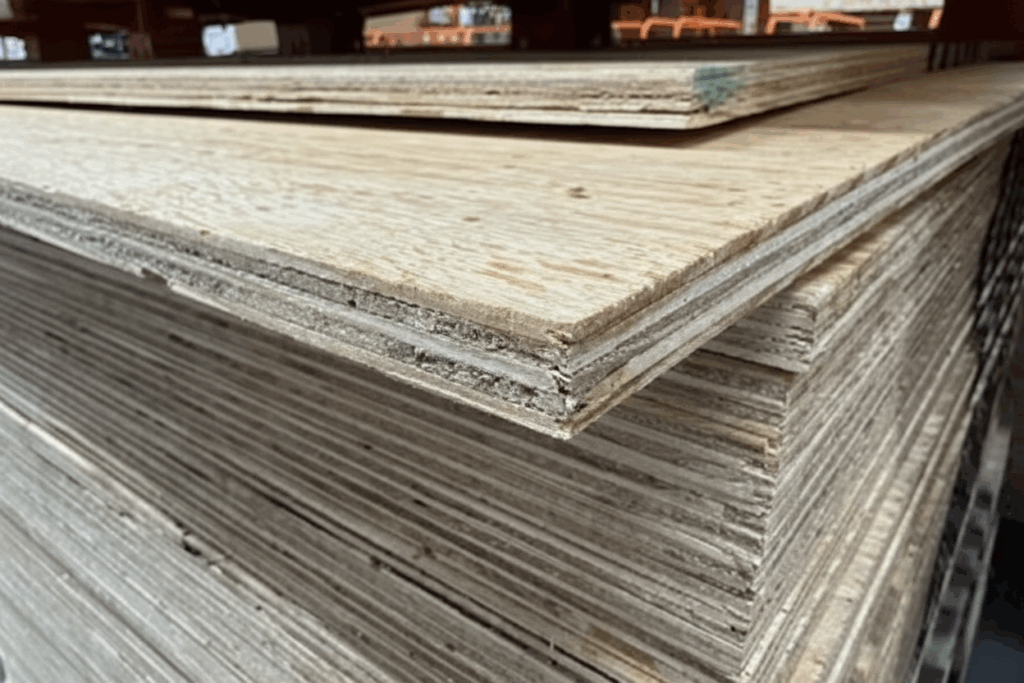
1. Introduction: Why Formaldehyde Control Matters in Construction In high-performance construction materials such as film-faced plywood, LVL, and composite boards, formaldehyde-based adhesives are essential to

1. Why Core Veneer Selection Matters In concrete formwork, the core veneer defines the panel’s strength, durability, and reuse life.While the

1. Density as a Structural Indicator In engineered plywood, density (kg/m³) directly correlates with mechanical performance and load-bearing strength.For concrete formwork, panels below 600

Why CARB PII Matters in Furniture Manufacturing In interior design and cabinetry manufacturing, formaldehyde emissions remain a defining factor in material selection.

1. Introduction: Why Panel Size Impacts Construction Efficiency In large-scale concrete formwork operations, panel dimensions directly influence labor time, joint alignment accuracy, and
Setting the Standard for Indoor Air Safety Indoor air quality has become a central concern in modern furniture manufacturing. As
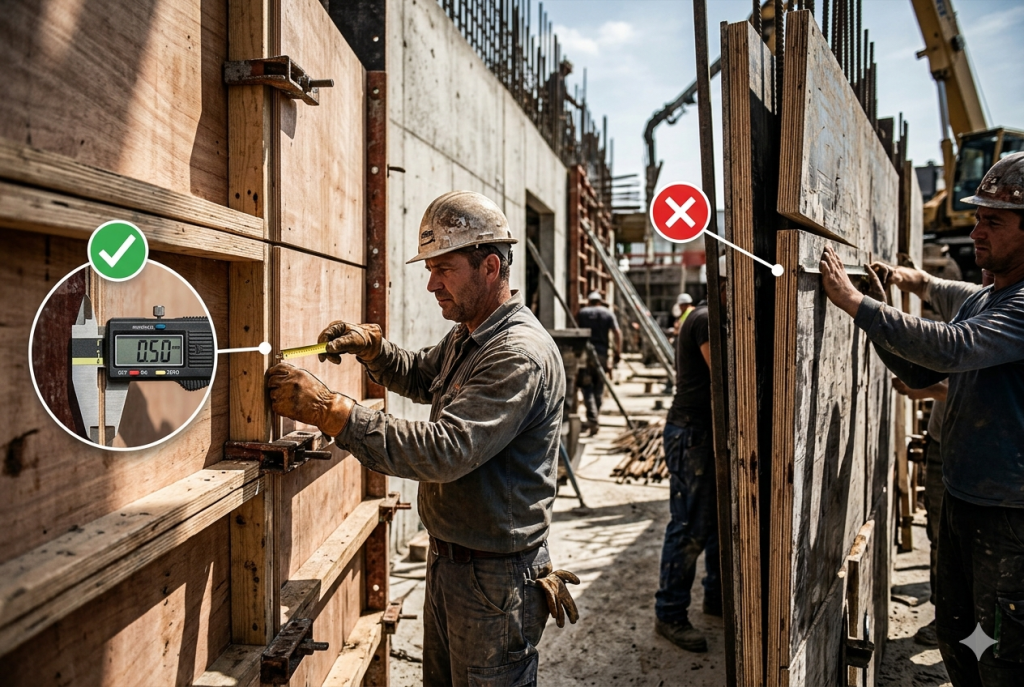
How Thickness Tolerance 0.5mm Impacts Structural Safety in Concrete Formwork Discover how tight thickness tolerance affects load capacity, fit and
1. Introduction In modern furniture design, plywood density is one of the most critical determinants of structural integrity, longevity, and
Why Plywood Thickness Selection Matters In custom furniture and cabinetry manufacturing, plywood thickness directly determines dimensional stability, load capacity, and